



Government also updates official hazard identification framework for first time in 20 years
Councils can now issue fines of up to £7,000 to private landlords refusing to fix serious hazards.
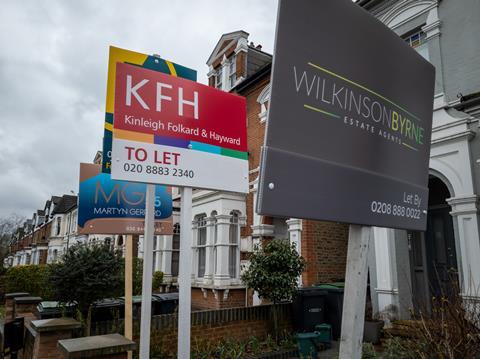
From today (22 June), the Renters’ Rights Act, which came into force at the start of May, will give local authorities the power to fine landlords for 21 types of hazards that are found to be dangerous.
This includes freezing conditions, faulty electrics, fire hazards, structural issues and unsafe layouts.
According to the government, around 10% of private rented homes are estimated to have at least one of these health and safety problems classified as serious.
The new penalty will be used alongside existing council powers to tackle unsafe homes, including forcing repairs, carrying out emergency works and recovering costs from landlords who fail to act.
Housing secretary Steve Reed said the Renters’ Rights Act “gives councils more options to take speedy action against rogue landlords.”
The government is also updating the Housing Health and Safety Rating System (HHSRS) for the first time since 2006. This framework is used to assess health and safety in all types of housing, aiming to make it simpler to identify dangerous risks and take action, including under Awaab’s Law.
The amended version will come into force tomorrow (23 June). It will include an updated assessment and scoring process, new descriptive terms and amalgamated hazards that are statistically similar in their likelihood and harm, so there are 21 hazards instead of 29.
Ben Twomey, chief executive of Generation Rent, said: “The council being given the power to fine landlords up to £7,000 if they ignore repairs is an essential step towards raising the quality of rented homes.
“For renters to feel the benefit, though, councils must seek out and take action against those landlords who ignore unsafe conditions and profit from misery.”
Ben Beadle, chief executive of the National Residential Landlords Association (NRLA), said: “Increasing fines misses the point - namely that councils are not using their extensive and existing powers effectively to tackle rogue and criminal landlords. According to Freedom of Information requests by the NRLA, between 2023 and 2025, just a quarter of all fines issued to private landlords were actually collected by councils.”
He added that the government should “properly assess enforcement capacity and require councils to publish annual reports on activity to ensure accountability.”







No comments yet