



New report raises concerns over how legislative changes and increased pressure to fulfil functions of other public services is impacting sector professionals
The Chartered Institute of Housing (CIH) Cymru in its latest report has called on the next government to increase investment in the housing workforce ahead of the Senedd 2026 election on 7 May.
The “Hearing the Housing Professionals’ Voice” research report, commissioned from Cardiff Metropolitan University, warns rising pressure to “fill gaps” left by other public services is placing strain on housing sector employees.
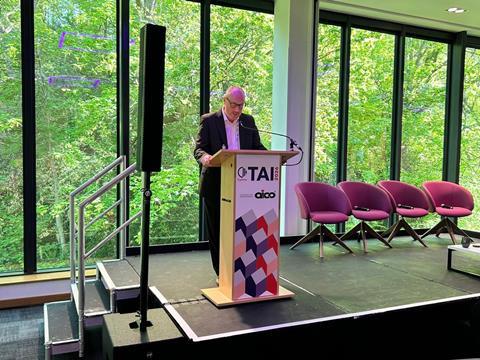
Speaking at the membership body’s Tai conference in Newport yesterday, Matthew Dicks, CIH Cymru national director, said: “This report is a reminder of just how much housing professionals are being asked to deliver – and how vital it is that they are properly supported to do so.
“That’s why we need a workforce strategy that provides career routes, reflects the wider diversity of Wales, nurtures expertise, increases capacity and helps develop resilience.”
The report also highlights concerns about the potential impact of forthcoming legislative changes on the roles of housing professionals, including the Building Safety (Wales) Bill and changes to homelessness and allocations law.
Also speaking at the conference, Nick Taylor-Williams, head of housing at Caerphilly Council, said that there “simply aren’t enough skills” to implement the building safety bill in its current form. He added that maintaining the golden thread of information “sounds like a large admin burden in terms of having to do that a long time.”
The bill, which was passed by the Senedd last month and is awaiting Royal Assent, will establish a stricter safety regime for shared buildings across Wales regardless of height or tenure.
CIH Cymru has laid out six recommendations for the Welsh government, including the provision of further funding for associated support services to alleviate the pressure on the housing sector as well as reviewing the requirements of the Welsh Housing Quality Standard because they are “too costly and onerous.”
The report was produced to complement CIH Cymru’s regular sector snapshot survey, which revealed that 74% of housing professional respondents felt that pressures relating to increased workloads, insufficient funding and recruitment difficulty had a negative impact on their mental health and wellbeing during winter 2025/26.
Also speaking at Tai this morning, CIH president Julie Haydon said mental health is the leading cause of sickness absence across all sectors in the UK workforce.
She said: “If we want to deliver professional, compassionate services, we must be just as serious about investing in workforce wellbeing, strength and leadership as we are in the upkeep of standards. The voices coming through in this research from Wales reflect what we hear across the profession – housing professionals are deeply committed but need to feel that commitment is reciprocated.”
The report follows the launch of Haydon’s Rooted in Resilience toolkit earlier this month, which aims to support housing professionals with their mental health as part of her year-long presidential campaign.






No comments yet