


G15 landlord hit by impairments and building safety remediation costs as it progresses plan to return to regulatory compliance
Notting Hill Genesis made a pre-tax deficit of £285.7m in the year to 31 March 2026.
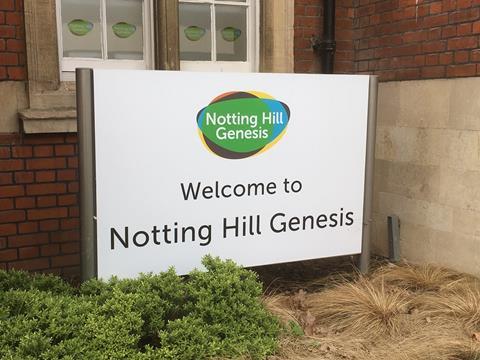
The 68,000-home provider revealed the figure in an unaudited trading update this morning. It is more than double the £129.5m deficit reported for the previous year.
It said: “This result is principally due to a significant element of non-cash items, including asset valuation adjustments, impairments and building safety remediation provisions.”
It said it has taken action, against a backdrop of rising operating costs and service demands, to ”make significant investments to improve residents’ homes and complete necessary building safety works”.
It said: “The operating environment for the housing sector has remained challenging, with economic uncertainty, regulatory change and planning constraints affecting the wider market.
”These factors have contributed to softer private rented sector valuations, while new development viability remains under pressure from planning delays and a subdued sales market.
“In common with the sector, Notting Hill Genesis has faced rising operating costs, driven by inflationary pressures, as well as increasing service demands.”
NHG said its core operating costs have faced sustained pressure with “increased repairs spend across responsive, maintenance, compliance and safety critical programmes”. It said this includes significant spend on its Stratford Halo estate to fix defects, which required 378 households to be located.
NHG’s turnover increased by 5.1% from £717.9m to £754.6m driven by rent and service charge increases. It said it has reduced its debt from £3.63bn to £3.54bn year-on-year and has undrawn facilities of £835m with all banking covenants met.
NHG said its sale of its private market rental business Folio is expected to complete this year.
NHG is also continuing to work on an improvement plan after being downgraded to a non-compliant ‘G3’ governance grade by the Regulator of Social Housing in November 2024. A regulatory inspection found issues of concern with its business planning and risk and control frameworks that led to ‘poor outcomes’ for tenants. It was also awarded a ‘C3’ rating against the consumer standards, meaning it is failing to meet outcomes and needs to improve.
The landlord said more than 80% of its milestones in its plan are complete with all remaining milestones due for completion by the end of 2026.
Patrick Franco, chief executive of NHG, said: “Our financial performance for the full year reflects the business challenges we have faced and although liquidity and cashflow remain strong, it is clear we need to do more to improve cost control and mitigate the impact of external pressures.
“Looking ahead we will remain focused on improving our operational financial resilience, while maintaining progress in strategic asset disposals and continuing our successful completion of milestones in our regulatory compliance plan.”
NHG has sought to strengthen its board and executive team in recent months with a number of high-profile appointments. These include appointing former Peabody chief executive Brendan Sarsfield as chair, former Keepmoat boss Dave Sheridan as chair of its homes sub-committee and Curo boss Victor da Cunha as chief customer officer. It also hired Ken Youngman as interim chief financial Officer and Keith Woolley as interim chief technology officer, formerly of Peabody and Home Group respectively.
NHG’s full audited accounts will be out later in the summer.







No comments yet