



New inquiry report lays out several recommendations to address later living housing shortage
The all-party parliamentary group (APPG) for housing and care for older people has called on the government to include the creation of intergenerational communities in its long term infrastructure strategies.
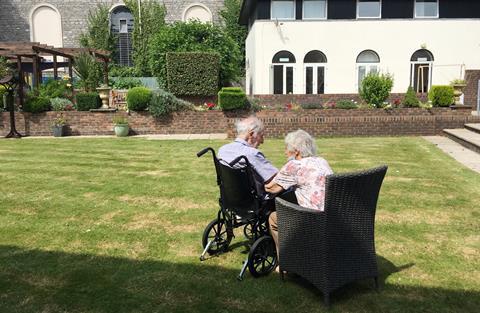
In an inquiry report published earlier this week, the APPG laid out several recommendations for the Ministry of Housing, Communities and Local Government (MHCLG), including recognising the “need for a balance of new mainstream and specialist older persons’ housing to create intergenerational communities” in the next national housing strategy and future growth plans.
The report, which was produced by housing and social care network Housing LIN and funded by Places for People and the Riverside Group, also highlighted the benefits of intergenerational communities, such as reduced loneliness, improved wellbeing and more opportunities for skills-sharing.
It emphasised the need for intergenerational masterplans, given that nine in ten (87%) councils do not have enough specialist housing to meet the expected demand of England’s ageing population, according to a study by the Unversity of Sheffield and Sheffield Hallam University.
Meanwhile, the 2024 Older People’s Housing Taskforce report said that government needs to unlock the delivery of up to 50,000 new homes for older people per year to ease the pressure on the NHS and social services. However, currently only around 5,000-7,000 new units of such housing is completed annually.
To address the shortage, the APPG has called for stronger national and local action, including increasing Homes England and GLA investment through their 10-year housing programmes and requiring councils to masterplan for more accessible, adaptable later living homes in every major development.
The body’s overarching recommendation urged all stakeholders, including MHCLG, funding bodies, the Department of Health and Social Care, NHS England, combined and strategic authorities, councils, social and private housing providers, housebuilders and private investors to “recognise intergenerational communities as essential social infrastructure that fosters inclusive and reciprocal relationships and everyday mutual support between people of all ages and backgrounds.”
Long-standing social housing figure and OBE-holder Richard Best, co-chair of the APPG, said: “Where developers and planners have the vision to create genuinely intergenerational communities, the results are remarkable: mutual help with everyday activities, reduced loneliness, savings for health and care budgets, and more rewarding lives for all.”
Spencer McCarthy, chief executive of retirement housing provider Churchill Living, called the APPG’s call for action to better support older people “encouraging” but said that intergenerational engagement “does not necessarily mean co-habiting with people at different life stages.”
He added: “Bespoke housing designed exclusively for older people, located in thriving town centres, offers the dual benefit of living in age-appropriate accommodation while still being involved in a multi-age thriving community.”
The House of Commons expects the number of people in the UK aged over 65 to nearly double from 10 million in 2020 to 19 million by 2050.







No comments yet