



Social, private and off-grid homes to receive energy efficiency upgrades
The Welsh government is investing £17m across three housing retrofit programmes.
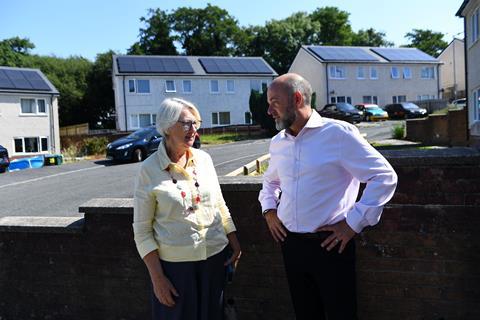
While the ‘Optimised Retrofit Programme’ (ORP) will receive £8m to upgrade social housing, £5m will go to the ‘Nest’ scheme, which supports eligible households in the private sector.
The remaining £4m will fund new pilots, including supporting rural and off-grid households that rely on heating oil or liquified petroleum gas. The government said this approach to novel delivery models will complement its Tai Clyd Caerdydd retrofit pilot, being delivered in partnership with Cardiff Council. This aims to take a neighbourhood-level approach to cross-tenure retrofit and will be open for applications in September.
The investment comes after a review of the existing ‘Warm Homes’ programme, completed as part of the Welsh Government’s first 100 days commitments, identified opportunities to further improve home energy efficiency.
It aims to cut monthly energy costs by up to 50% for some residents, support decarbonisation goals and improve living standards. For example, coal fires will be replaced by electric alternatives to improve air quality and reduce the physical demands of heating.
At Parc Penrhiw in Ammanford, residents have seen monthly energy costs fall from around £200 to under £100 following government-backed upgrades including solar panels, battery storage, insulation and modern heating systems.
Siân Gwenllian, Welsh housing minister, said: “This £17 million is just the beginning and will help us reach more households across Wales, supporting more families with the cost of living while making a genuine difference to people’s lives.”
The £5m allocated to the Nest scheme takes the total funding for the demand-led project to £37 million this financial year, while the £8m for the ORP brings its total budget to £106.75m.







No comments yet