



Children living in low quality housing in England are found to be at an educational disadvantage compared to their peers in better homes
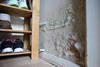
Children living in damp and overcrowded homes missed three weeks more of school over the course of compulsory education than their peers in better quality housing, a study by UCL has found.

The research, which was published in the Journal of Epidemiology and Community Health, also revealed that children in England living in poorer quality housing did worse in maths and English exams.
While 15% of those born between 2000 and 2002 lived in homes with damp at age seven, 12% lived in overcrowded dwellings.
George Baranyi, the report’s lead author working in the UCL Centre for Longitudinal Studies, said: “This is one of the first studies to look at the links between housing quality and school absence. Children living in overcrowded and damp homes tend to experience more health problems so are likely to miss more school and may find it difficult to catch up on their studies.”
He added that those in overcrowded homes may lack suitable study space, potentially impacting their performance in school tests.
Researchers from the UCL Centre for Longitudinal Studies and City St Georges, University of London examined data from 7,000 children born in 2000-2002 taking part in the millennium cohort study.
When the study participants were age seven, their parents answered a series of questions about their housing and home environment.
Children were classed as living in lower quality homes if they experienced at least two poor housing conditions such as damp, lack of central heating or overcrowding.
Meanwhile, information on state school pupils’ absences and educational attainment from age five to 16 was taken from their national pupil database records.
The study found that by the end of their school careers, children who lived in lower quality housing at age seven had missed an average of 15.5 more days of school than those who lived in better homes during compulsory education (years one to 11).
They also had an average of 2%-5% lower scores in standardised tests in English and maths taken in primary and secondary school.
Living in damp and overcrowded conditions was most strongly associated with lower school attendance than other criteria, particularly during primary education.
The research also found that children living in cold and overcrowded homes tended to have poorer school test results, particularly at GCSE level.
Baranyi continued: “Public health and housing policies targeting poorly maintained homes could help to narrow health and educational inequalities. This would particularly benefit disadvantaged pupils’ chances at school as well as their future labour market outcomes, because they are more likely to live in lower quality housing.”
Sierra Clark, co-author of the report working in the school of health and medical sciences at St George’s, University of London, said: “The good news is that national and local governments in the UK are stepping up efforts to improve housing conditions.
“New 2024 building regulations, forthcoming legislation such as the Renters’ Rights Act, and updated guidance on health risks from hazards like damp and mould all signal a stronger commitment to tenant safety.”





No comments yet