



Latest IHS Markit/CIPS activity survey finds housebuilding growth slowed in May
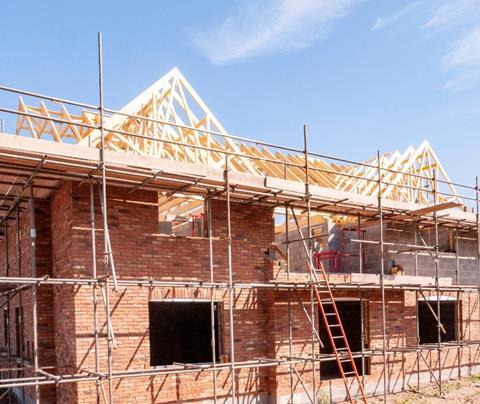
Housebuilding activity rose in May but failed to stem an outgoing flow of commercial and civils work, according to the latest IHS Markit/CIPS construction survey.
The IHS Markit/CIPS UK Construction total activity index in May dipped back below the “no change” 50 score again to register 48.6 – signalling a contraction – driven by a fall in commercial output not seen since September 2017.
And while housebuilding held its own, growth across the sector was at its weakest for three months.
IHS Markit/CIPS said commercial respondents to its survey had reported clients opting to delay major spending decisions as Brexit uncertainty continued, as well as overall concerns about the likely state of the UK economy.
Civil engineering activity also fell for the fourth consecutive month.
Optimism levels also fell to their lowest point since October last year, with firms blaming “domestic and political uncertainty [which] would dampen business activity growth over the next 12 months”.
Duncan Brock, CIPS director, noted that the “previously unshakeable housing sector barely kept its head above water” during last month.
“Policymakers will need to pull a large rabbit out of the hat, and fast, to improve these difficult conditions and prevent a further entrenchment of gloom and contraction this summer,” he added.
Mark Robinson, chief executive of Scape Group, agreed, warning that Theresa May’s resignation and a lack of clarity over the future leadership of the current government was hurtling the country into uncertainty.
“We thought progress in infrastructure and safeguarding the future of the construction industry was a low priority before. It will be even further from ministers’ minds now.
“The only way to increase confidence is to treat today’s economic and political climate as the new normal. That means we need to get on with the business of building. Firms should take advantage of the easing of raw material costs, where inflation is at its weakest since September 2016, while they can and press ahead with planned projects.
“Only then can we ensure that this weak period for the sector does not turn into a prolonged and painful slump.”
Jonathan White, UK head of infrastructure, building and construction at KPMG, said the sector was “relying heavily on housebuilding to drive growth”.
“The steady stream of infrastructure work across the UK had strengthened order books – and buoyed confidence – but there is a clear sense that the market is slowing down in the commercial sector as the Brexit impasse puts a halt on decision-making.
“The problem is that when the industry struggles, its structural issues become even more evident. Operating margins are still stubbornly low and this makes the investment needed to improve productivity even less likely.”
And Max Jones, relationship director in Lloyds Bank Commercial Banking’s infrastructure and construction team, said while the dip in output would surprise few, the extent of the fall may be a surprise to some.
“The drop can partly be attributed to a change in focus, with a lot of contractors now placing more emphasis on cashflow rather than revenues. However, many are also feeling the pinch on their working capital, as requirements to pay clients within 30 days become more stringent.
“Cash will be king in the coming months, and those able to reduce debt while improving cashflow will be in a much stronger position when activity picks up again.
Jones said he had noticed some anxiety among infrastructure players: “With timescales on a handful of megaprojects slipping, some contractors have been unable to book revenue – while there is also some anxiety about which projects will be filling pipelines in the medium to long term.”




No comments yet