



Development should involve collaboration with older residents and investment in social infrastructure and community organisations
Large-scale regeneration schemes risk culturally displacing older residents if existing communities are not included in decision-making, according to researchers
A new study from the University of Manchester examined the experiences of older people in the north of the city, where regeneration plans worth billions - including the Victoria North new town - are set to reshape the urban environment.
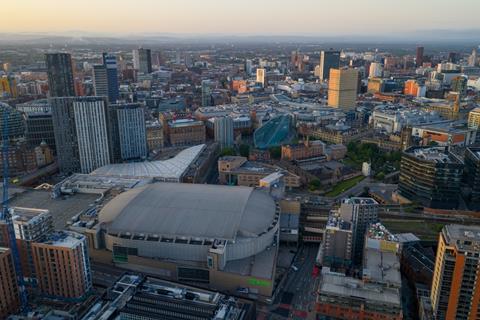
It found that older residents have a strong sense of belonging to their neighbourhoods and wish to stay there as they grow older, but are concerned that regeneration could increase housing costs and lead to the loss of familiar community spaces.
“Regeneration could potentially bring enormous benefits to communities, but it is vital that we don’t lose sight of the people who already live in these places,” said Dr Camilla Lewis from The University of Manchester’s Manchester Urban Ageing Research Group.
“Older people have deep connections to their neighbourhoods and have built up knowledge, relationships and networks over many years. These are valuable assets for regeneration, not obstacles to it.”
The research found that community organisations and volunteers played a significant role in supporting older people and that community spaces provided opportunities for interaction between different ethnic and cultural backgrounds, maintaining a sense of connection amid neighbourhood change.
Researchers warned developers against overlooking this social infrastructure, calling for investment to be directed toward existing community organisations as well as housing and related physical infrastructure. They also urged that regeneration be designed collaboratively with older people.
The study was carried out over 12 months and involved 41 interviews with older residents, community organisations and regeneration stakeholders, as well as two focus groups and four “creative co-production projects” involving more than 50 people. The research was focused primarily on Cheetham Hill and Crumpsall.
Regen Connect
Through ongoing analysis and expert commentary, Regen Connect highlights the policies, funding streams and local priorities that matter most to the construction and development sector.
This coverage will culminate in a special report to be published at our Building the Future Live Conference in London on 7 October.
How you can get involved:
Throughout the year, our team will be gathering insight from across the sector to inform editorial features, debates and events. We welcome contributions from practitioners who want to share experience or shine a light on emerging trends.
Click here for more on the campaign
Be part of the conversation – contact us to contribute or get involved by emailing our deputy editor at dave.rogers@building.co.uk and to find the campaign on social media follow #regenconnect







No comments yet