



Group warned ‘more needs to be done’ to protect private renters from poor conditions and rent increases
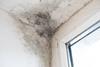
The government’s housing, communities and local government (HCLG) committee has urged Whitehall to roll out Awaab’s Law to the private rented sector (PRS) this year in its latest report.

Phase one of the legislation currently only covers social housing, requiring landlords to address serious damp and mould hazards to fixed timeframes. While no date has been set for when these protections will apply to private rented homes, the government has said it plans to consult on its approach before doing so.
The cross-party group said extending Awaab’s Law to cover the PRS in 2026 would ensure that legal timescales for landlords to resolve hazards are fully in place by the end of 2028/29.
According to the committee, the Ministry of Housing, Communities and Local Government said it is “carefully considering” how to expand the legislation to the PRS in a way that is “fair, proportionate and effective for both tenants and landlords.”
The committee set out a series of recommendations in its ‘housing conditions in the private rented sector’ report, including accelerating compliance with the upcoming decent homes standard ahead of the 2035 deadline by introducing incentives and strengthening deterrents against breaches.
Florence Eshalomi, chair of the HCLG committee, welcomed the government’s recent reforms to renters’ rights, including the new Renters’ Rights Act, but warned that “more needs to be done to ensure that the new tenants’ rights are enforceable and that landlords play by the rules.”
She said: “Stronger and more proactive regulation and enforcement of standards by local authorities is needed to improve conditions for tenants. The government needs to play its part by ensuring councils have the resources to do this job effectively and that the upcoming private rented sector database gives tenants the tools they need to check that their home is suitable and safe.”
The report called for the government to conduct and publish a full assessment of the resources and powers currently available to local authorities to regulate and enforce standards in the PRS, such as the new minimum energy efficient standard.
This includes improvements to its plans for the PRS database, a mandatory national register of landlords and rental properties in England, designed to improve transparency, compliance, and enforcement in the PRS under the Renters’ Rights Act.
Meanwhile, the committee also recommended removing barriers that inhibit the uptake and effectiveness of selective licensing for councils and introducing protections against above-market rent increases.
It reemphasised its view that the government should unfreeze the local housing allowance and ensure it matches at least the 30th percentile of market rents to protect households on lower incomes.






No comments yet